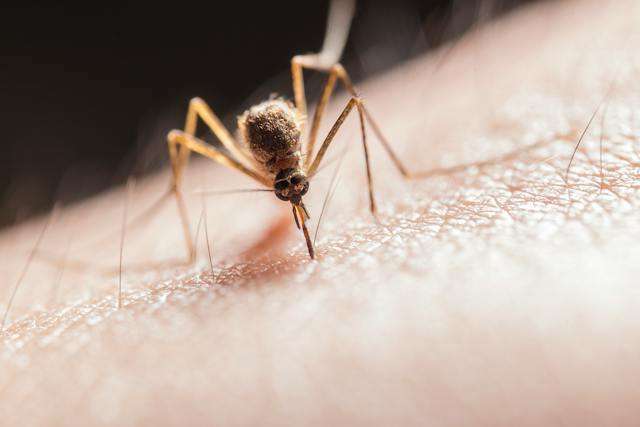
Mysterious bites can be a perplexing and uncomfortable experience, whether they occur indoors or outdoors. The itching, redness, and uncertainty can leave you searching for answers. In this article, we will explore the common causes of these mysterious bites and provide guidance on how to identify and address them.
1. Insects: The Usual Suspects
One of the most common reasons for mysterious bites, especially when spending time outdoors, is insects. Mosquitoes, ticks, chiggers, and ants are just a few examples. They often leave itchy, red welts as their calling card. These critters can also find their way indoors if doors or windows are left open, causing indoor bites.
2. Bedbugs: The Indoor Nuisance
Bedbugs are notorious for infesting indoor spaces, primarily in beds and furniture. Their bites tend to appear in clusters and can be intensely itchy. If you suspect a bedbug infestation, professional pest control assistance may be necessary to eliminate them.
3. Fleas: Pet-Related Bites
If you have pets or come into contact with animals, fleas might be the culprits behind your mysterious bites. These tiny parasites can not only bite you but also infest indoor areas. Treating your pets and home is crucial to eradicating flea infestations.
4. Spiders: Unwanted Indoor Visitors
While not all spider bites are dangerous, some can cause mysterious skin reactions. If you suspect a spider bite, it’s essential to identify the spider type to determine if it’s a venomous species. Most spider bites are harmless, but it’s wise to consult a healthcare provider if you experience severe symptoms.
5. Mites: Tiny Troublemakers
Tiny mites, such as chiggers or dust mites, can leave you scratching your head, both indoors and outdoors. Chiggers typically bite in grassy areas, while dust mites can trigger allergies indoors. Proper hygiene and allergy management can help alleviate symptoms.
6. Allergies: Environmental Triggers
Allergic reactions to substances in your environment, such as certain plants or cleaning products, can lead to mysterious skin irritations and redness. Identifying and avoiding allergens is key to preventing these reactions.
7. Skin Conditions: A Potential Culprit
Underlying skin conditions like hives, eczema, or dermatitis can sometimes be mistaken for bug bites. These conditions can cause itching and welts that might be misconstrued as insect-related.
8. Psychosomatic Factors: Mind and Body
Believe it or not, sometimes people may experience itching and believe they have bug bites even when there’s no physical evidence. This phenomenon can be related to psychological factors and often requires a holistic approach to address.
Conclusion
Mysterious bites can have various causes, each requiring a unique approach for identification and resolution. To pinpoint the cause, inspect your living environment, practice caution when outdoors, and consult professionals when necessary. Keeping a record of bite occurrences can also assist in identifying patterns or potential triggers. Remember that consulting a healthcare provider or dermatologist is essential if the mystery persists, as they can provide expert guidance and solutions for your specific situation. By demystifying the causes of mysterious bites, you can take proactive steps toward relief and a more comfortable, bite-free life.
Leave a Reply